|
|
|
|

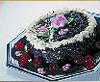 |
Traditional Austrian dishes are Wiener Schnitzel, boiled beef (Tafelspitz), calf's liver with herbs in butter (Geröstete Leber), Goulash, Kaiserschmarrn, Palatschinken and Salzburger Nockerln, as well as various types of smoked and cured pork. Viennese cuisine is strongly influenced by southeast European cuisine, notably that of Hungary, Serbia, Romania and Dalmatia. Many of the simpler meals are often made with rice, potatoes and dumplings (Knödel), with liquid sauces. The main meal of the day is lunch. Mehlspeisen is the national term for cakes and puddings, all of which are wonderfully appetising. There are more than 57 varieties of Torte, which are often consumed with coffee at around 3 : p.m. |
 |
Belgian cuisine is similar to French, based on game and seafood. Each region in Belgium has its own special dish. Butter, cream, beer and wine are generously used in cooking. Belgian chocolate, waffles and chips, preferably served with mayonnaise, are famous. Ardennes sausages and ham are renowned. |
 |
Smørrebrød is a highly popular traditional Danish dish which is often eaten for lunch. It consists of a slice of dark bread with butter, topped with slices of meat, fish or cheese and generously garnished. It bears no resemblance to traditional sandwiches and needs to be eaten sitting down with a knife and fork. Buffet-style lunch (the koldt bord) is also popular with a variety of fish, meats, hot dishes, cheese and sweets. Danes do not mix the various dishes on their plates but have them in strict order. A normal Danish breakfast or morgen-complet consists of coffee or tea and an assortment of breads, rolls, jam and cheese, often also sliced meats, boiled eggs and warm Danish pastries. Given its geographical position it is not surprising that shellfish also form an important part of Danish cuisine. |
 |
Potatoes, meat, fish, milk, butter and rye bread are the traditional mainstays of the Finnish diet, but food in Finland has been greatly influenced both by Western (French and Swedish) and Eastern (Russian) cooking. Examples are pike, trout, perch, whitefish, salmon and Baltic herring. All are in abundance most of the year. Crayfish (a Finnish speciality) is available from July to August. One should also try reindeer meat, smoked or in other forms. Regional dishes include kalakukko, a kind of fish and pork pie, baked in a rye flour crust, and karjalan piirakat, a pasty of rye flour stuffed with rice pudding or potato and eaten with egg butter. Various kinds of thick soups are also popular. |
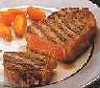 |
With the exception of China, France has a more varied and developed cuisine than any other country. The vegetables, cheese, butter and fruit eaten in a French are usually fresh. Dishes include tournedos (small steaks ringed with bacon), châteaubriand, entrecôte (rib steak) served with béarnaise (tarragon-flavoured sauce with egg base), gigot de présalé (leg of lamb roasted or broiled) served with flageolets (light green beans) or pommes dauphines (deep-fried mashed potato puffs). Other dishes include brochettes (combinations of cubed meat or seafood on skewers, alternating with mushrooms, onions or tomatoes) or ratatouille niçoise (stew of courgettes, tomatoes and aubergines braised with garlic in olive oil) ; pot-au-feu (beef boiled with vegetables and served with coarse salt) and blanquette de veau (veal stew with mushrooms in a white wine/cream sauce). In the north of France fish and shellfish are the star features in menus - oysters, moules (mussels), coques (cockles) and crevettes (shrimps) are extremely popular. In Picardy duck pâtés and ficelle picarde (ham and mushroom pancake). In the Champagne-Ardenne region there are the hams of Rheims and sanglier (wild boar). Among the fish specialities in this area are écrevisses (crayfish) and brochets (pike). Alsace and Lorraine are the lands of choucroute (sauerkraut) and kugelhof (a special cake), quiche lorraine and tarte flambée (onion tart). Spicy and distinctive sauces are the hallmark of Breton food, and shellfish is a speciality of the region, particularly homard à l'amoricaine (lobster with cream sauce). Lyon, is the heartland of French cuisine. A speciality of this area is quenelles de brochet (pounded pike formed into sausage shapes and usually served with a rich crayfish sauce). Bordeaux rivals Lyon as gastronomic capital of France. Aquitaine cuisine is based on goosefat. A reference to 'Perigord' will indicate a dish containing truffles. Basque chickens are specially reared. In the Pyrénées, especially around Toulouse, visitors will find salmon and cassoulet, a hearty dish with beans and preserved meat. |
 |
The main meal of the day in Germany tends to be lunch with a light snack eaten at about seven in the evening. Breakfast consists of a boiled egg, bread rolls with jam, honey, cold cuts and cheese slices. There are also bread rolls filled with all kinds of sausage slices, hot meat filling (such as Leberkäse), pickled herring, gherkins and onion rings or cheese. Same regional examples. Frankfurt et Hesse : Rippchen mit Sauerkraut and of course Frankfurter sausages and Ochsenbrust with green sauce, Zwiebelkuchen (onion flan) and Frankfurter Kranz cream cake. Westphalia and Northern Rhineland : Rheinischer Sauerbraten (beef marinaded in onions, sultanas, pimento, etc), Reibekuchen (potato fritters), Pfeffer-Potthast (spiced beef with bay leaves) and Moselhecht (Moselle pike with creamy cheese sauce). Munich and Bavaria : Leberkäs (pork and beef loaf), as well as a variety of dumplings, Spanferkel (suckling pig), the famous Weisswurst (white sausages), Strudel, Leberknödelsuppe (liver dumplings soup), Nürnberger Lebkuchen (gingerbread) and from the same town grilled Rostbratwurst sausages. Bremen : Kohl und Pinkel (kale and sausages), Matjes Hering (white herring), eel soup and Hannoversches Blindhuhn (hotpot with bacon, potatoes, vegetables and fruit). |
 |
Dishes like dolmades (stuffed vine leaves), moussaka (eggplant casserole with minced lamb, cinnamon, red wine and olive oil), kebabs and avgolemono (chicken broth with rice, eggs, salt and lemon juice) can be found everywhere. Taramosalata (a dip made from fish roe, bread, onion, olice oil and lemon juice) and a variety of seafood dishes, especially squid (kalamari) or octopus, are excellent. Greek menus typically include a selection of meze (appetisers), such as keftedes (hot spicy meatballs) or tzatziki (a dip made from yoghurt, olive oil, garlic, shredded cucumber and dill). Salads are excellent and often made with the local feta cheese, tomato, cucumber and fresh olive oil. Other vegetarian specialities include gigantes (large white beans), kolokithakia (small boiled zucchini with oil and lemon). Olives are cheap and plentiful. Deserts, such as baklavas (filo pastry filled with almonds and topped with honey, vanilla and sugar) or loukoumades (honey-drenched pastry puffs) are sweet and filling. |
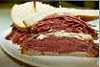 |
Ireland is a farming country noted for its meat, bacon, poultry and dairy produce. The surrounding sea, inland lakes and rivers offer fresh fish including salmon, trout, lobster, Dublin Bay prawns, oysters (served with Guinness and wholemeal bread), mussels and periwinkles. The most typical Irish dishes will usually be found in a country restaurant, and include corned beef and carrots, boiled bacon and cabbage and Irish stew. Other local delicacies are crubeens (pigs trotters), colcannon (a mixture of potatoes and cabbage cooked together), soda bread and a soufflé made with carrageen (a variety of seaweed). |
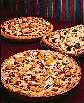 |
Examples of dishes from each region. Rome : abbacchio (suckling lamb in white wine flavoured with rosemary), cannelloni (pasta stuffed with meat, calves' brains, spinach, egg and cheese), broccoli romani (broccoli in white wine), salsa romana (sweet-sour brown sauce with raisins, chestnut and lentil purée served with game) and gnocchi alla romana (semolina dumplings). Of Rome's cheeses the best include mozzarella, caciotta romana (semi-hard, sweet sheep cheese), pecorino (hard, sharp sheep's milk cheese) and gorgonzola. Piemonte : bagna caoda (a traditional anchovies soup, served with vegetables), fritto misto piemontese (fried meat, vegetables and fruit). Valle d'Aosta : fonduta (a hot dip with Fontina cheese, milk and egg yolks sprinkled with truffles and white pepper), lepre piemontese (hare cooked in Barbera wine and sprinkled with herbs and bitter chocolate), zabaglione (hot dessert with beaten egg and Marsala wine). Lombardy : risotto alla milanese (rice with saffron and white wine), zuppa pavese (tasty clear soup with poached eggs), minestrone (thick soup with chopped vegetables), osso buco (shin of veal cooked in tomato sauce served with rice), panettone (Christmas cake with sultanas and candied fruit). Sicily : pesce spada (swordfish stuffed with brandy, mozzarella and herbs, grilled on charcoal), pasta con le sarde (pasta with fresh sardines), caponata (rich dish of olives, anchovies and aubergines) |
 |
Luxembourg cooking combines German heartiness with Franco-Belgian finesse German heartiness with Franco-Belgian finesse. Local dishes include carré de porc fumé (smoked pork and broad beans or sauerkraut), cochon de lait en gelée (jellied suckling pig), and jambon d'Ardennes (famous smoked Ardennes ham). The preparation of trout, pike and crayfish is excellent, as are the pastries and cakes. Tarte aux quetsches is recommended. Delicious desserts are prepared with local liqueurs and omelette soufflée au kirsch. A dash of quetsch, mirabelle or kirsch will be added to babas or fruit cups. |
 |
There are few dishes that can be described as quintessentially Dutch, and those that do fall into this category are a far cry from the elaborate creations of French or Italian cuisine. A typical Dutch breakfast usually consists of several varieties of bread, thin slices of Dutch cheese, prepared meats and sausage, butter and jam or honey and often a boiled egg. A working lunch would be koffietafel, once again with breads, various cold cuts, cheese and conserves. There will often be a side dish of omelette, cottage pie or salad. More substantial dishes are generally reserved by the Dutch themselves for the evening meal : erwtensoep (thick pea soup served with smoked sausage, cubes of bacon, pig's knuckle and brown or white bread), groentensoep (clear consommé with vegetables, vermicelli and meatballs), hutspot (potatoes, carrots and onions), klapstuk (an accompaniment of stewed lean beef) and boerenkool met rookworst (frost-crisped kale and potatoes served with smoked sausage). Seafood dishes are often excellent, particularly in Amsterdam or Rotterdam, and include gebakken zeetong (fried sole), lekkerbekjes (fried whiting), royal imperial oysters, shrimps, mussels, lobster and eel (smoked, filleted and served on toast or stewed or fried). Favourite Dutch desserts include flensjes or pannekoeken (25 varieties of Dutch pancake), wafels met slagroom (waffles with whipped cream), poffertje (small dough balls fried and dusted with sugar) and spekkoek (alternate layers of heavy buttered sponge and spices from Indonesia). |
 |
Seafood is popular, especially in Lisbon, but can be expensive. Soup is a main dish. Typical Portuguese dishes include sopa de marisco (shellfish soup cooked and served with wine), caldo verde (green soup made with finely shredded green kale leaves in broth) and bacalhau (dried cod, cooked in over 100 different ways). Caldeirada is a fish stew with as many as nine kinds of fish, cooked with onions and tomatoes. Also typical is carne de porco á Alentejana, in which bits of fried pork are covered with a sauce of clams stewed with tomato and onions. Puddings include arroz doce (rice pudding), Madeira pudding and nuvens (egg custard). |
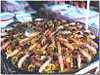 |
Eating out in Spain is often cheap and meals are substantial rather than gourmet. One of the best ways to sample Spanish food is to try tapas, or snacks, which are served at any time of day in local bars. These range from cheese and olives to squid or meat delicacies and are priced accordingly. Many of the specialities of Spanish cuisine are based on seafood, although regional specialities are easier to find inland than along the coast. In the northern Basque provinces, there is cod vizcaina or cod pil-pil ; angulas, the tasty baby eels from Aguinaga ; bream and squid. Asturias has its bean soup, fabada, cheeses and the best cider in Spain, and in Galicia there are shellfish, especially good in casseroles, and a number of regional seafood dishes such as hake à la Gallega. In the eastern regions the paella has a well-deserved reputation. It can be prepared in many ways, based on meat or seafood. Catalonia offers, among its outstanding specialities, lobster Catalan, butifarra sausage stewed with beans, and partridge with cabbage. Pan amb tomaquet, bread rubbed with olive oil and tomato, is a delicious accompaniment to local ham and cheese. The Castile area specialises in roast meats, mainly lamb, beef, veal and suckling pig, but there are also stews, sausages, country ham and partridges. Andalucía is noted for its cooking (which shows a strong Arab influence), especially gazpacho, a delicious cold vegetable soup, a variety of fried fish including fresh anchovies, jabugo ham from Huelva and many dishes based on the fish which the coast provides in such abundance. |
 |
Swedes like straightforward meals, simply prepared from the freshest ingredients. As a seafaring country with many freshwater lakes, fish dishes. The Scandinavian cold table, called smörgåsbord, is traditional. First pickled herring with boiled potatoes, then perhaps a couple more fish courses, smoked salmon or anchovies followed by cold meat, pâté, sliced beef, stuffed veal or smoked reindeer. The hot dishes come next, for instance, another herring dish, small meatballs (köttbullar) or an omelette. A fruit salad and cheese with crispbreads round off the meal. Other dishes to look out for are smoked reindeer from Lapland ; gravlax, salmon that has been specially prepared and marinated ; wild strawberries ; and the cloudberries that are unique to Scandinavia. |
 |
Good English cooking is superb. Britain is still the home of puddings : spotted dick (suet pudding with currants and raisins) ; plum duff (suet roll stuffed with plums) ; and syllabub (a medieval dish consisting of double cream, white wine and lemon juice). There are many regional varieties in baking: the flat pancake-type scones of the North of England and Scotland ; Scottish black bun, a fruit cake on a pastry base ; Bakewell tart, a pastry base covered with jam, almond filling and topped with icing; and breads of all description. A traditional Scottish breakfast is porridge made from locally grown oats and either milk or water. Other local dishes include haggis (chopped oatmeal and offal cooked in the stomach of a sheep), cullen skink (fish soup), smoked haddock and salmon and partan bree (crab with rice and cream). Welsh cooking is, in general, simple with abundant fresh local produce, particularly meat and fish. Near the coast, seafood is also widely available. Local dishes include Welsh rarebit (cheese on toast), leek soup, bara brith (a type of tea bread) and laver bread, which is made with seaweed. |
